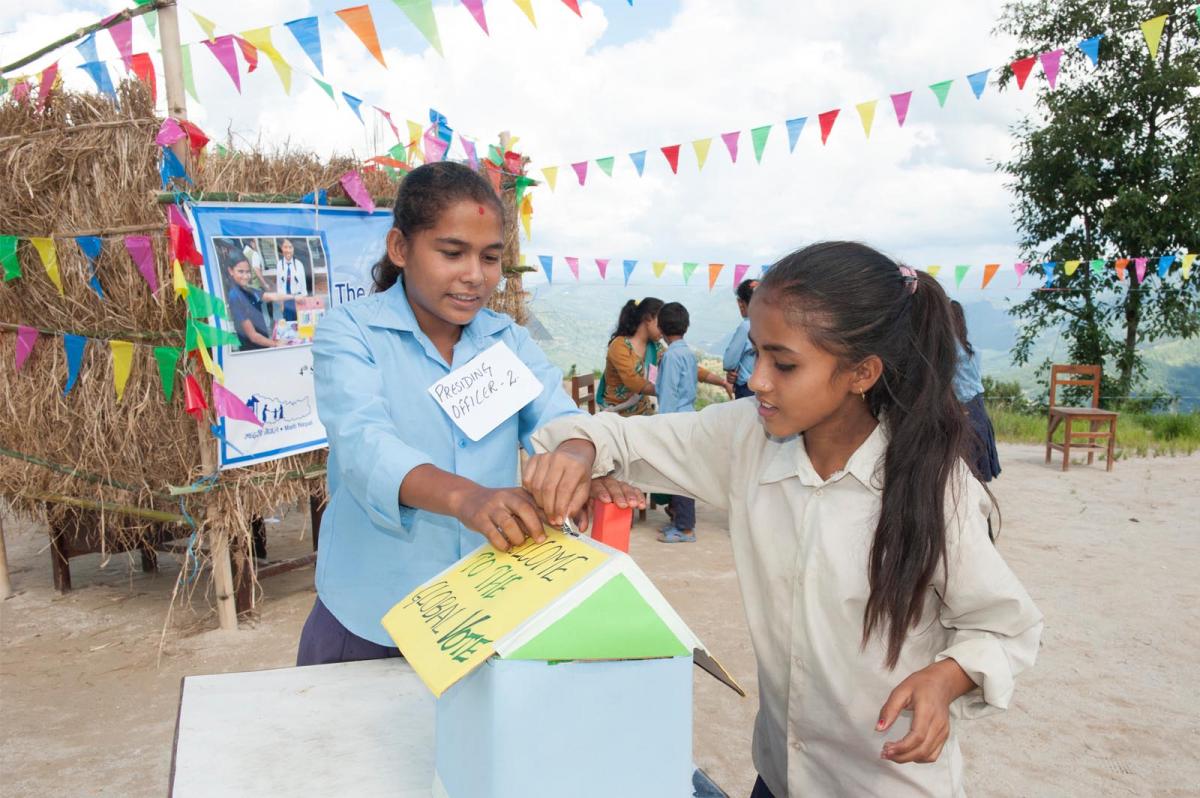
Children in Nepal have organised their own democratic vote – an election where they choose their favourite among the World's Children's Prize Child Rights Heroes.
According to the Convention on the Rights of the Child, all children have the right to say what they think and to have a say in all matters that affect them. Many countries have made the Convention part of their own laws – Sweden did so in 2020. Unfortunately, not all children know that they have the right to say what they think and to be listened to.
What is democracy? On some questions, you and your friends might think the same. On others, you think completely differently. Perhaps you can listen to each other and talk it through until you find a solution you can all accept. Then you agree, and you have reached what is called consensus. Sometimes you have to agree to disagree. Then the majority – the side with the most people – decides. That is democracy.
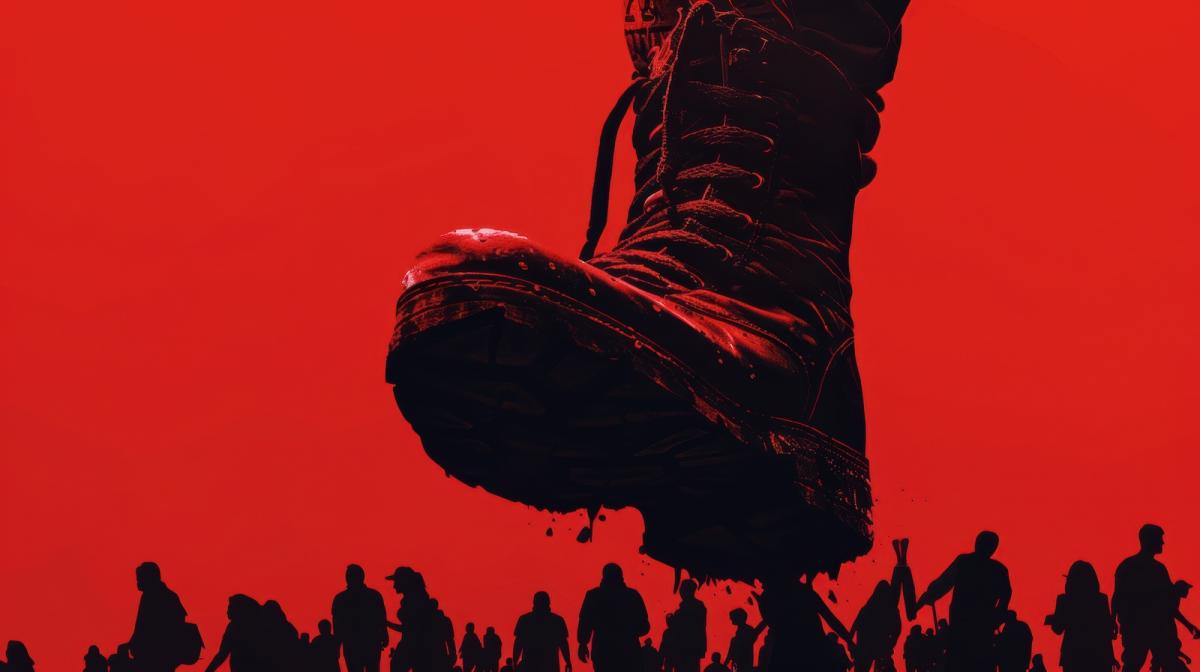
In a dictatorship, the leaders trample on the will of the people.
Dictatorship
In a democracy, all people are born free and equal in dignity and rights. Everyone can say what they think and take part in decisions. The opposite of democracy is dictatorship, where one person or a small group decides everything and no one is allowed to protest.
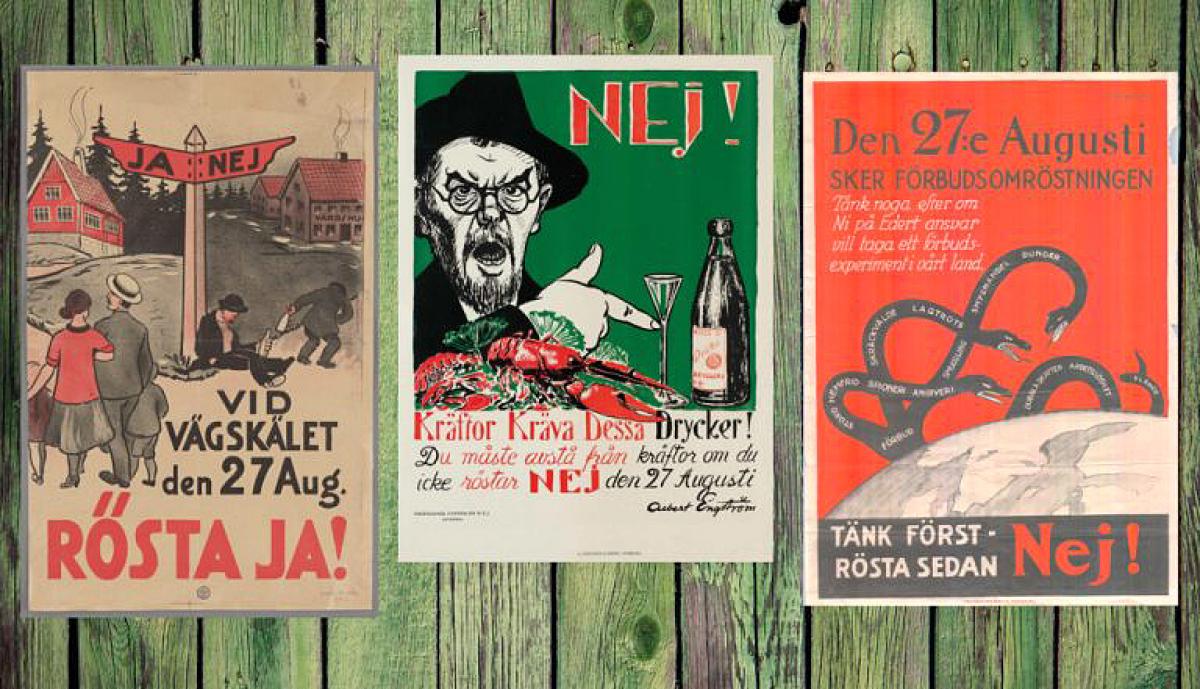
Holding a referendum is a form of direct democracy. Here are posters from the 1920s, when the people of Sweden voted yes or no to a ban on alcoholic drinks such as wine, beer and spirits. The No side narrowly won, with 51 percent.
Direct democracy
Direct democracy is when everyone gets to vote on a specific question – for example, when the children in a class vote on where to go on a school trip, or when a country holds a referendum on a specific issue. In Sweden, for example, the people have voted on banning alcohol, switching to driving on the right and on nuclear power. Many other countries also hold referendums.
Democracy in practice
Most democratic countries are governed through representative democracy. Citizens elect representatives – politicians – whose job is to run the country the way the people want. In most countries you can vote once you turn 18, and in a few from the age of 16. In Sweden, for example, you can vote in national elections once you are 18 and a Swedish citizen.
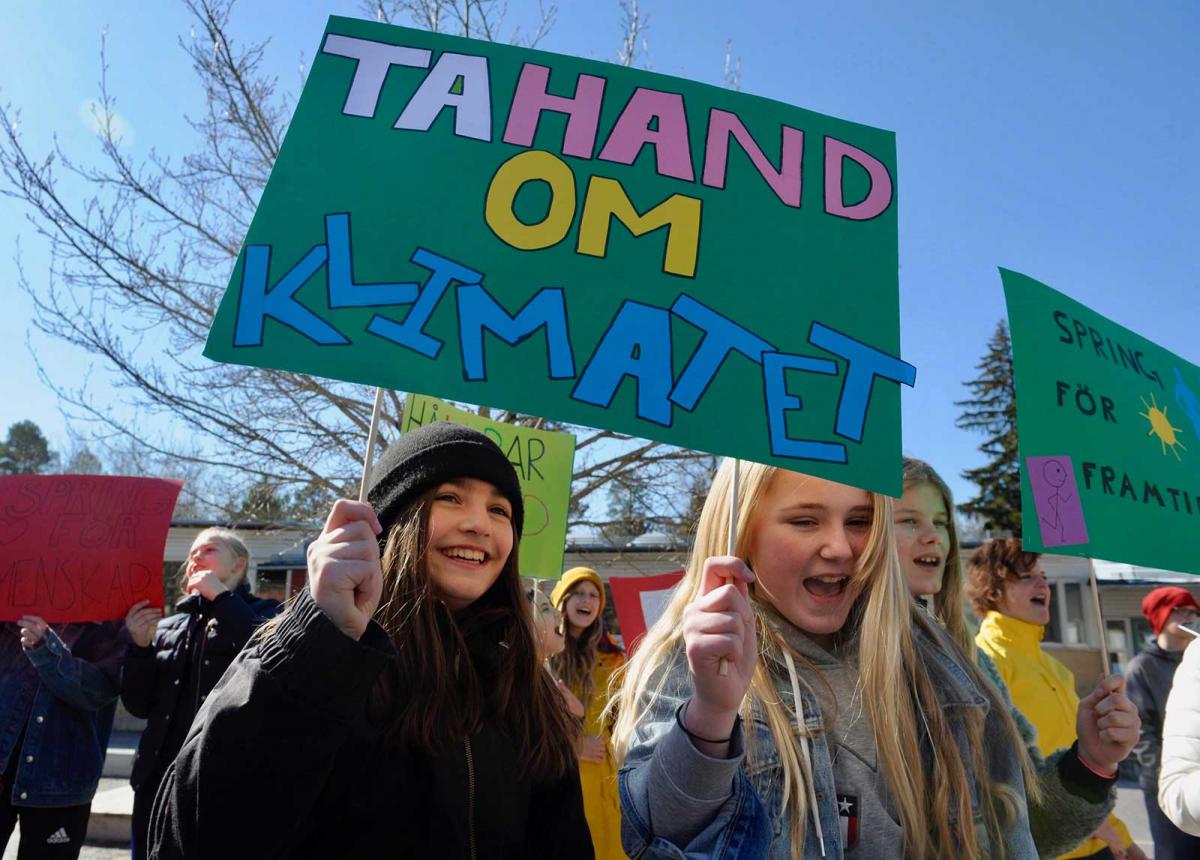
Children cannot decide everything, but they should be able to make their voices heard and be listened to on matters that concern them.
Should children get to decide?
Children's right to have a say and take part does not mean that children decide everything. Sometimes it is important for adults to decide, if they know more about an issue and have more experience. But they should always listen to children first and take their views into account, depending on their age and maturity. This applies to parents, but also to teachers, politicians, coaches, police officers, doctors and anyone else with the power to affect children's lives.
Learn more and make a difference
The more children (and adults) know about children's right to take part, the better the chance that children will be listened to. Everyone also needs to know the best ways to make a difference.
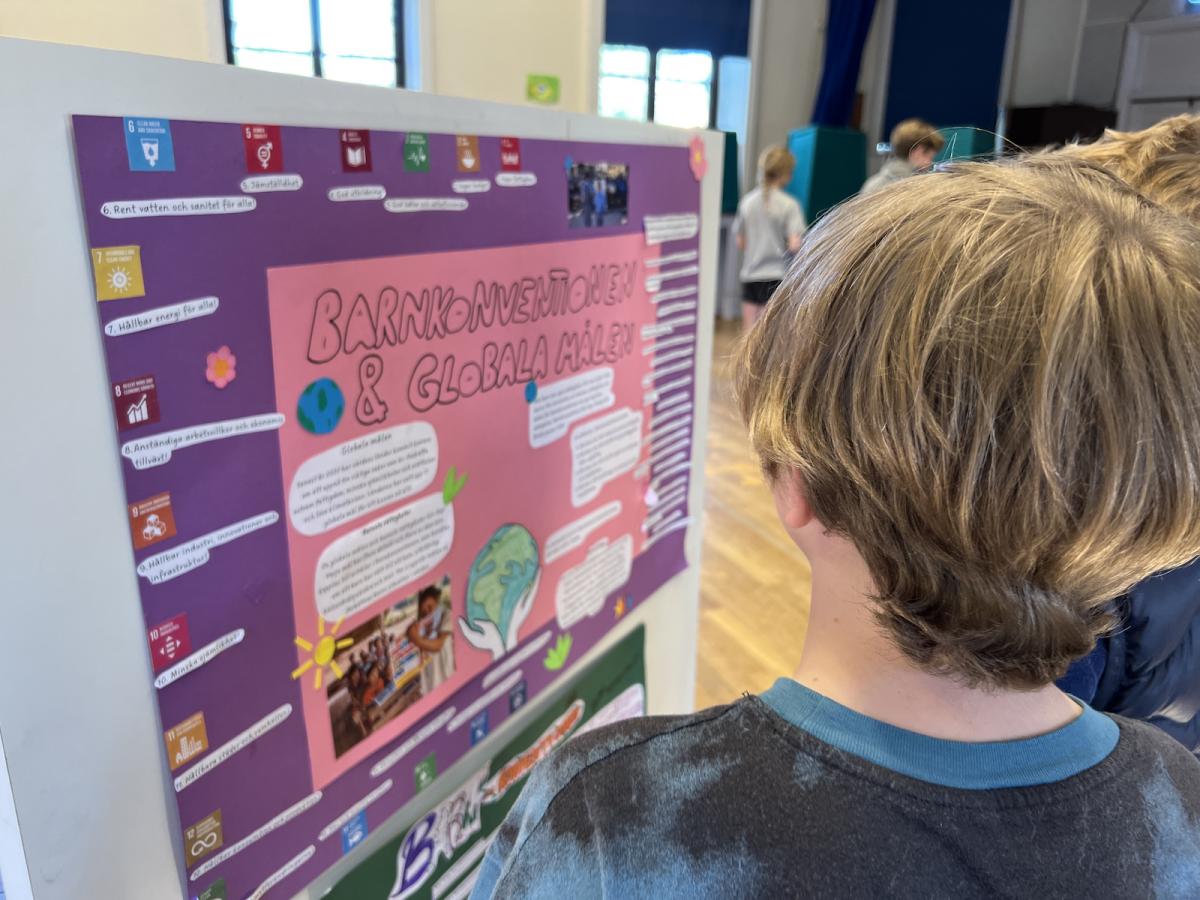
You can read, watch and learn on your own, but you can also work together and teach others. Here is a poster from an exhibition that schoolchildren made together for the whole school about the Convention on the Rights of the Child and the Global Goals.
Start by learning all about the rights of the child. Explore how they can become a reality where you live, in your country and around the world. Pay special attention to girls' equal rights, because girls are often more vulnerable than boys. Find out whether the rights in the UN Convention on the Rights of the Child are respected in your home, in your community, at your school and in your country.
Through real stories – for example, about Child Rights Heroes and the children they fight for – you learn about both important issues and good methods for change. You can also be inspired by stories about Child Rights Ambassadors who create change at home, where they live and in their schools.
When you and your friends – and the adults around you – know more about children's rights, you are ready to talk about the changes you want to see. Think about how you will tell your families, friends and neighbours about what you have learned. Make a plan for reaching out to local politicians and other decision-makers, if you want to. Perhaps you can use social media or organise a march with signs and banners. This way, you also prepare to organise your own Changemaker Day, your day for change.
As Child Rights Ambassadors, you become changemakers, above all where you live and go to school. By sharing what you have learned and your ideas with everyone you know, you help increase respect for children's rights. You will find more information about what we call the Changemaker Mission at the end of this course.